
INTRODUCING JUDE MICROPHONE PREAMPS: AN OFFICIAL COLLABORATION BETWEEN WARM AUDIO & SOUND TECHNIQUES
JUDE-MP
Types:
Original Sound Techniques Console Preamp That Captured London’s Most Famous Recordings of the 60s & 70s
Price:
$749
Original two channel Sound Techniques Console Preamp that captured many of London and LA’s most famous recordings of the 60’s and 70’s.
Price:
$1399
Colors:

Silver
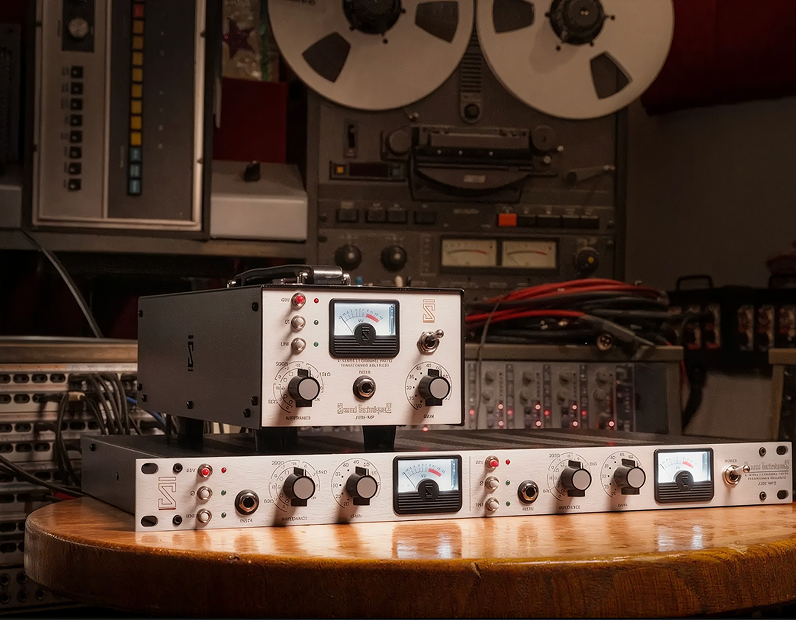
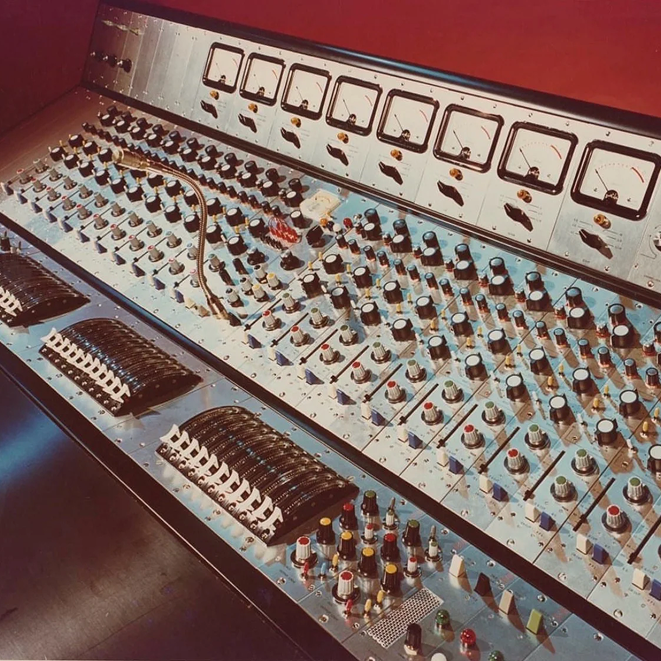
The Sound Of 1960s and 70's London Hits
The Jude & Stereo Jude are authentic reproductions of the original Sound Techniques "A-Range" custom console microphone preamps that helped define the sound of legendary recordings at some of London's most famous studios such as De Lane Lea Studios and Trident Studios. Created in direct partnership between Sound Techniques and Warm Audio, Jude completely recreates the exact microphone preamp circuit designed by Geoff Frost from those historic London consoles. With original dual-discrete 3035 Class-A amplification, Geoff Frost's proprietary Z-Match impedance circuit, custom-spec CineMag USA transformers, and meticulously hand-wired construction, Jude delivers the unmistakable depth, punch, and musicality heard on classic recordings by David Bowie, Elton John, Queen, and several Beatles recordings including “Hey Jude”.
Dual-Discrete, Z-Match Magic
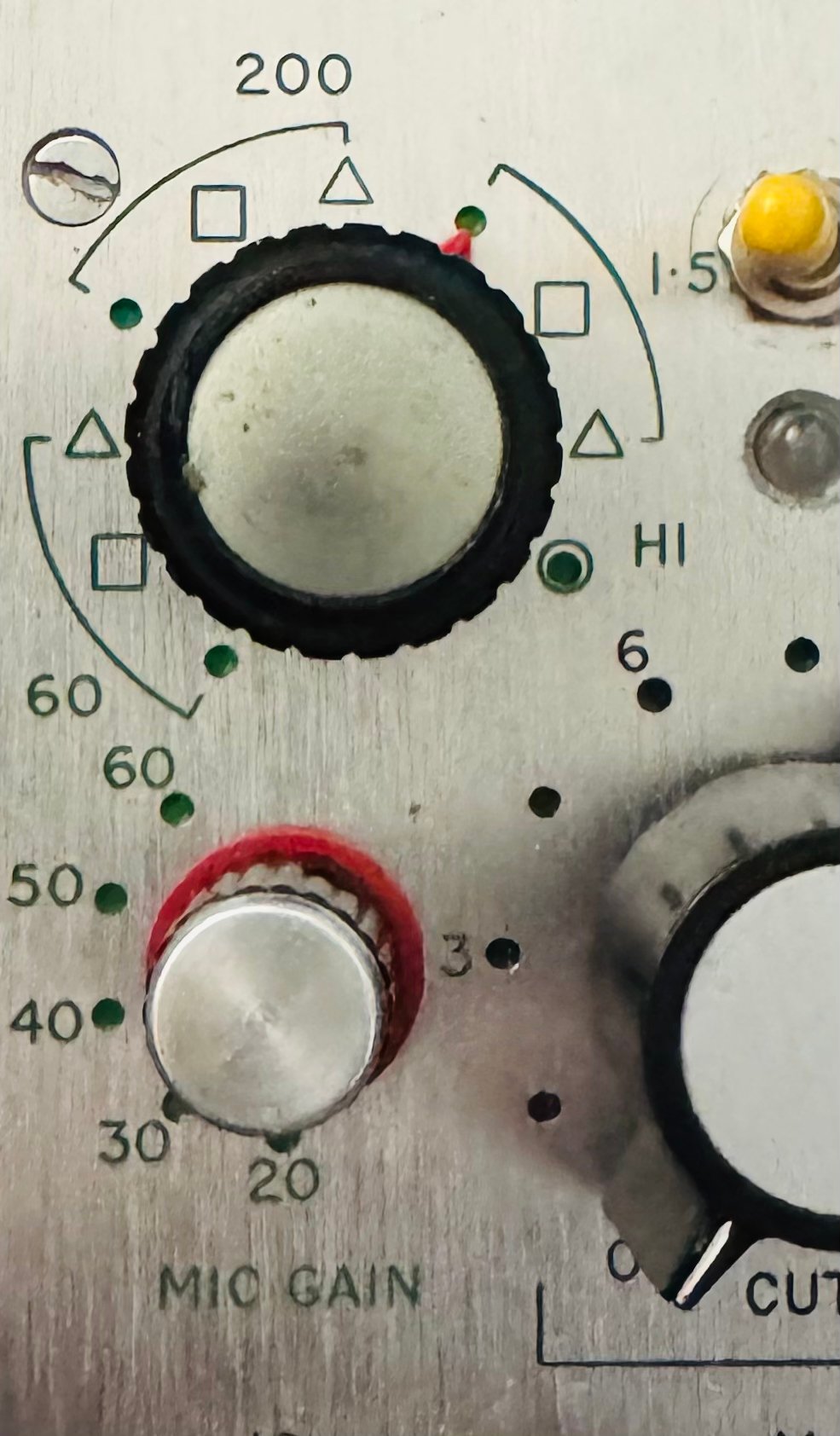
Built to original Sound Techniques specifications, every Jude channel preserves the complete signal path and tonal flexibility that made the "A-Range" consoles legendary among engineers and producers. The exclusive 9-position Z-Match control allows each channel to optimize the relationship between microphone and preamp, offering nine distinct tonal interactions that shape gain, transient response, frequency balance, and harmonic character with virtually any microphone. Combined with premium Wima and Nichicon audio-grade capacitors, carbon resistors, custom CineMag USA transformers, and Warm Audio's meticulous hand-tested construction, Jude delivers the authentic British console sound once reserved for a handful of the world's most influential recording studios.
Key Features
Like the vintage Sound Techniques console preamps, Jude includes all the features that deliver the authentic 60’s London console experience.

Exclusive to Sound Techniques, the 9-position Z-Match tone control optimizes the interaction between microphone and preamp. This tone control allows engineers to fine-tune gain, response, and character across a wide range of vintage and modern microphones. It’s like having 9 tonal change options that will interact differently with any microphone.

Quickly switch between a traditional mic-level impedances on the Z-Match to a 10kΩ impedance that better-matches modern audio interface outputs for running program material like tracks and stems for added analog mojo.

The Sound Techniques team specified every detail of Jude's design including premium component selection like Wima and Nichicon audio-grade capacitors and carbon resistors.

Every single Jude preamp comes with a 5-year warranty, and is meticulously hand tested & inspected at Warm HQ in Austin,TX by real musicians and engineers with passion for superior sound.
Specs Tab
Product Description & External Specs (PER CHANNEL)
- Single Or Dual-Channel, Dual-Discrete Console Microphone Preamp
- Variable Input Gain Based On Z-Match Impedance Setting
- 48v Phantom Power | Polarity Switch Line-Level Switch
- Inputs: XLR Mic | TS/TRS ¼”
- Outputs: XLR / ¼” TRS Line-Level
Components & Internal Specs (Per Channel)
- Custom-Wound, 3-Impedance CineMag Input Transformers
- Custom-Wound, High-Purity Nickel CineMag Output Transformers
- Variable Mic Input Impedance: 60Ω | 200Ω | 1.5KΩ | 10KΩ
- Nichicon Audio Grade & Wima Capacitors
Performance Specs (Per Channel)
- Preamp Gain Per-Channel: 65 - 76dB [40 Source Impedance]
- EIN -128 dBu (A-wtd)
- Self-Noise : -99 dBu (A-wtd)
- THD : 0.008%
- Frequency Response: 10 Hz - 25 kHz (+/-2dB)
Custom transformers from cinemag USA
The USA-made CineMag transformers inside the Jude preamps are a custom design, and both the input and output transformers are built to the exact specs designed by Geoff Frost. The input transformers are wired to have three distinct impedances. Unlike singular tone switches, the input transformers on Jude actually change the characteristics of the component depending on the Z-match setting being used. The output transformers have a special high purity nickel formula with an extra-large core.
Meticulous layout & wiring
The Sound Techniques team responsible for designing and building their consoles carefully created the hand-wired board layout to exactly match the preamp build from their console design. Sound Techniques trusted Warm Audio to meticulously manufacture each unit to their exact console-grade standards.
Component overload
The Sound Techniques team specified every detail of Jude's design including premium component selection like Wima and Nichicon audio-grade capacitors and carbon resistors.
Hand-tested in Austin, tx
Every single Jude preamp comes with a 5-year warranty, and is meticulously hand tested & inspected at Warm HQ in Austin,TX by real musicians and engineers with passion for superior sound.
Gallery
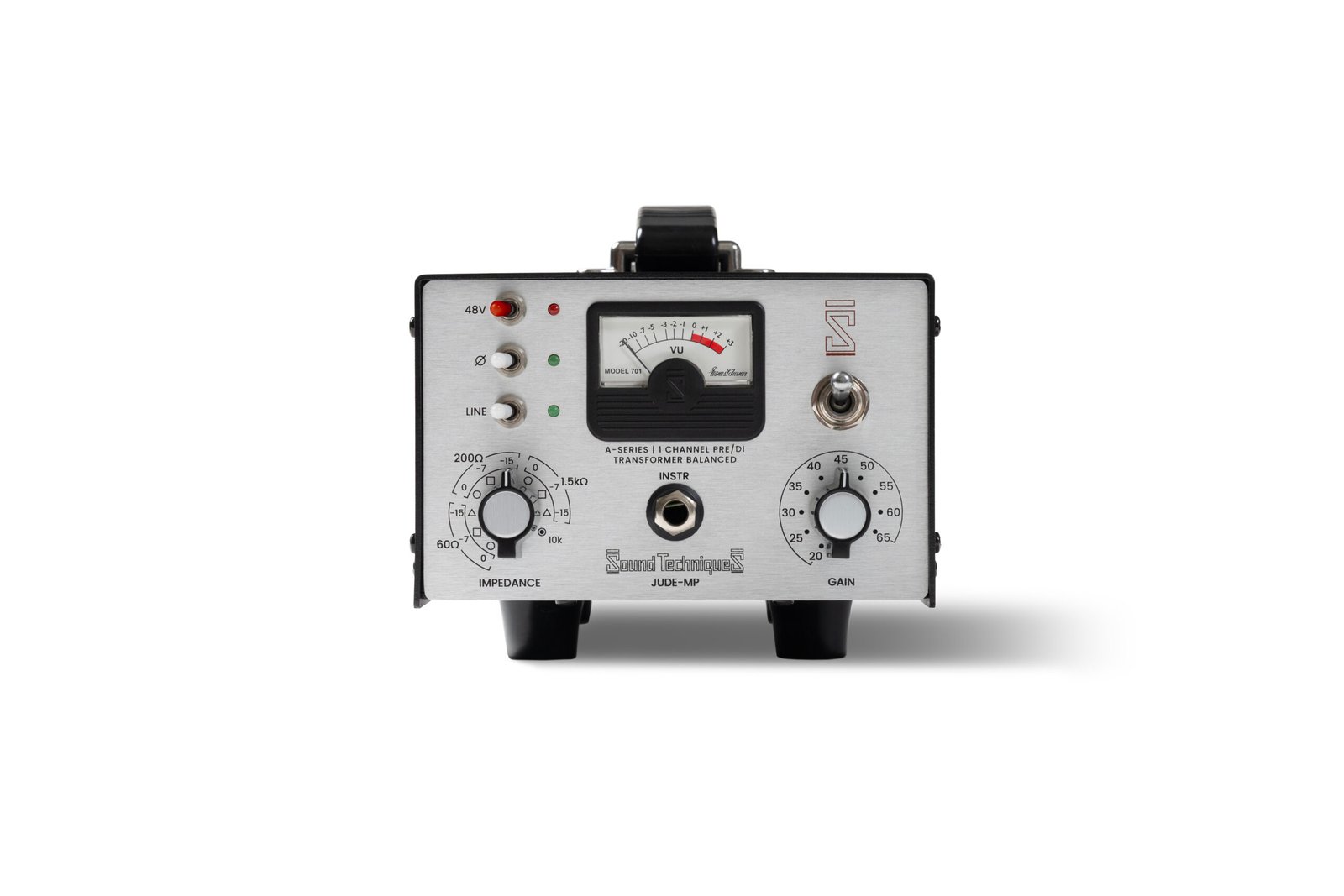
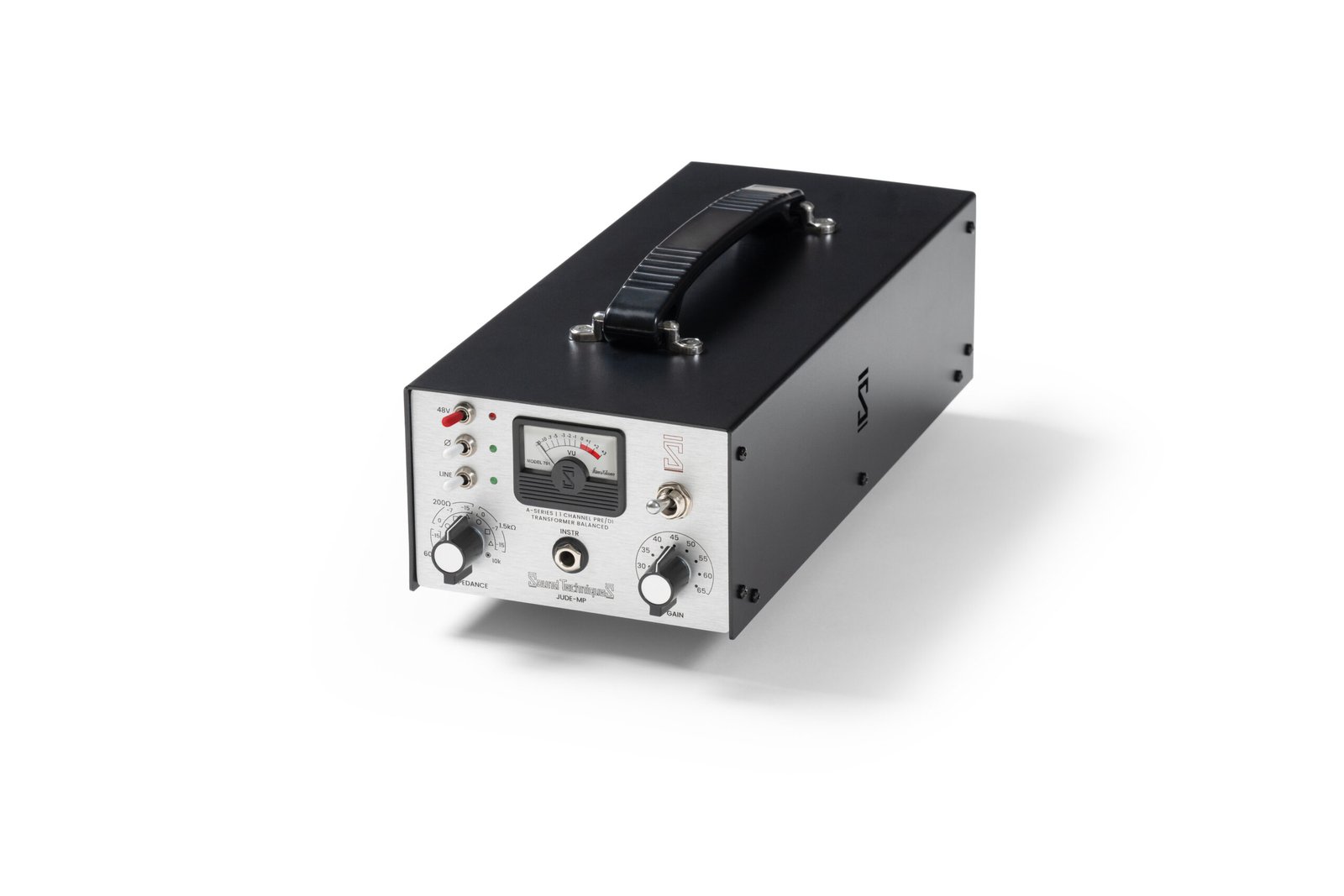
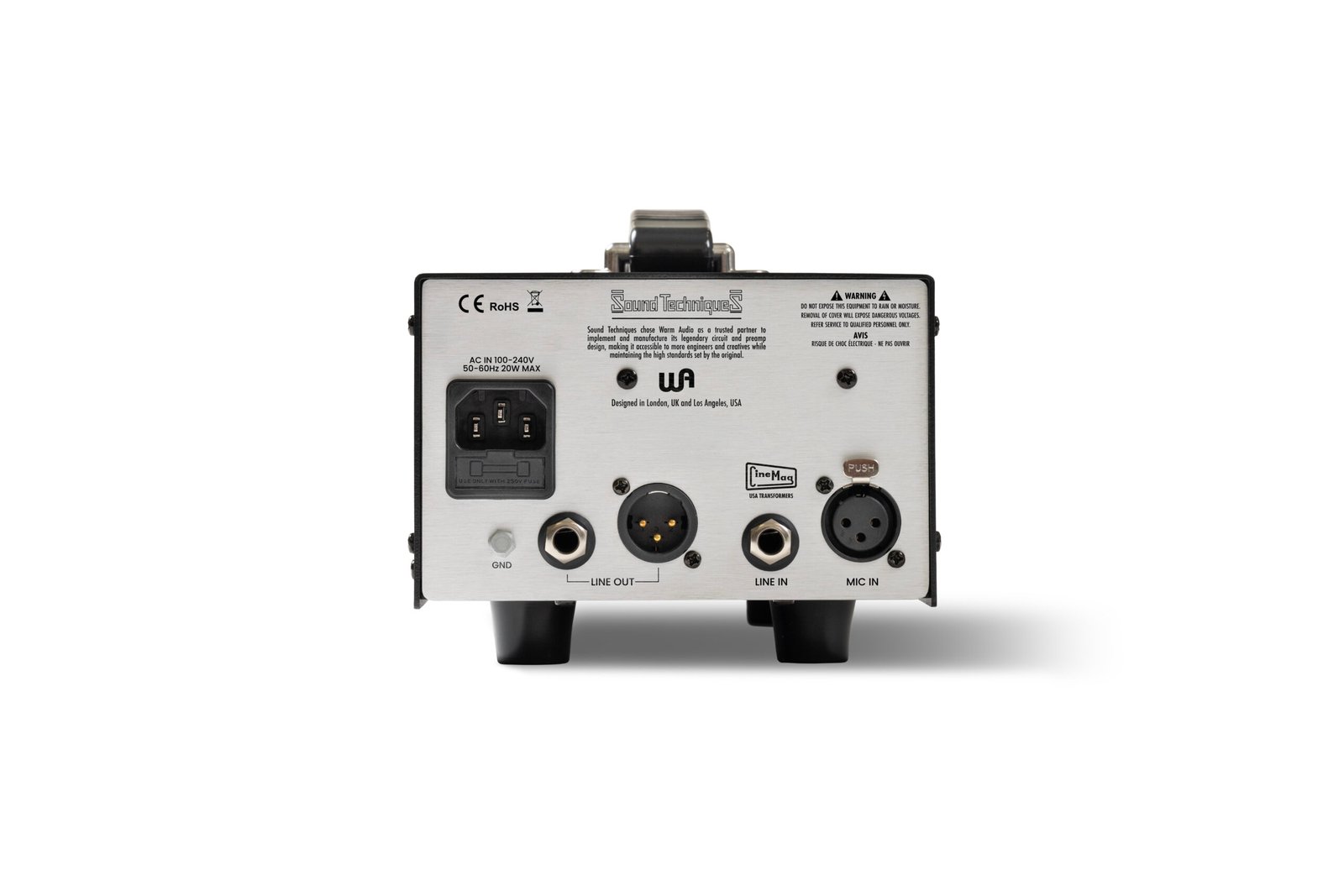
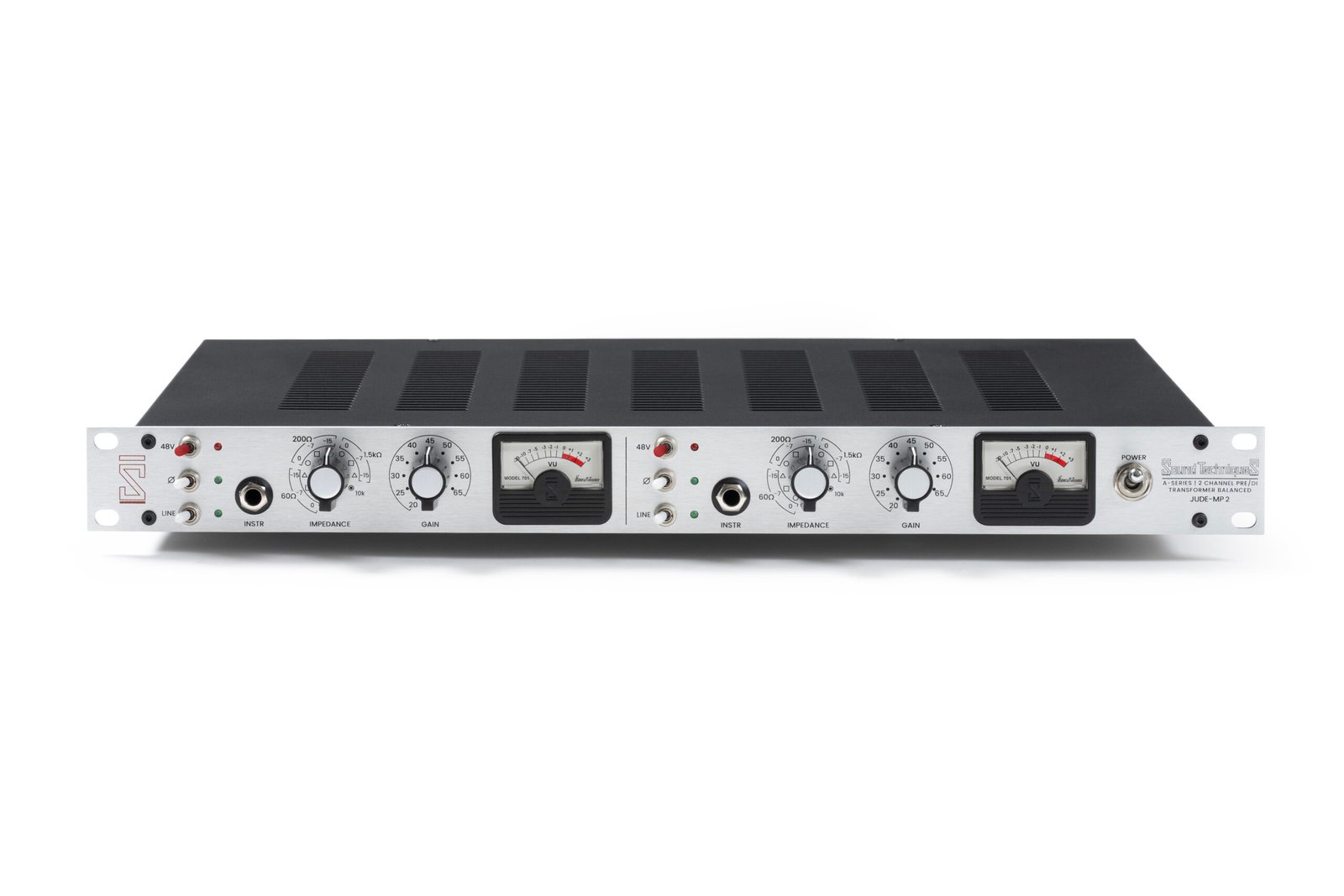
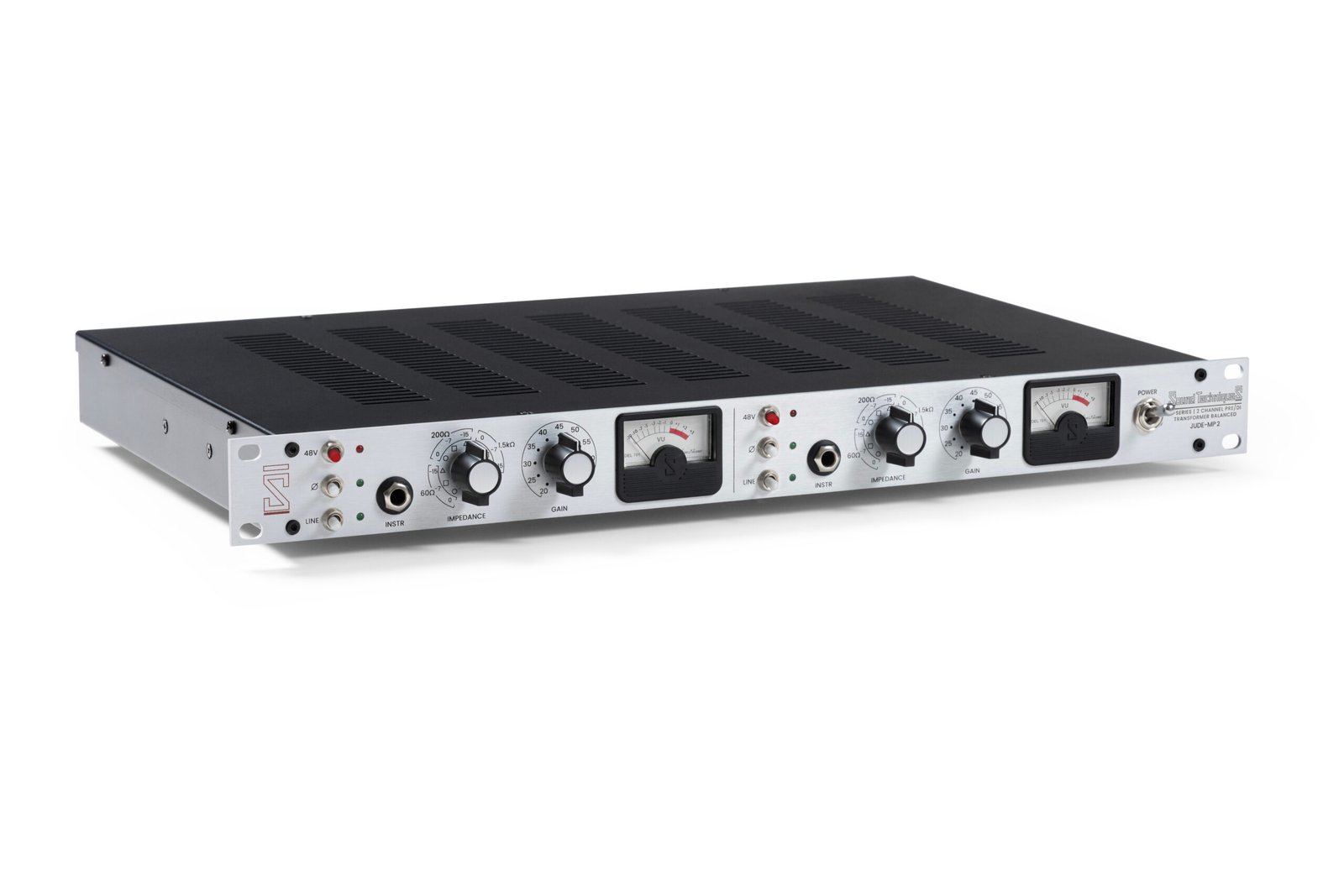
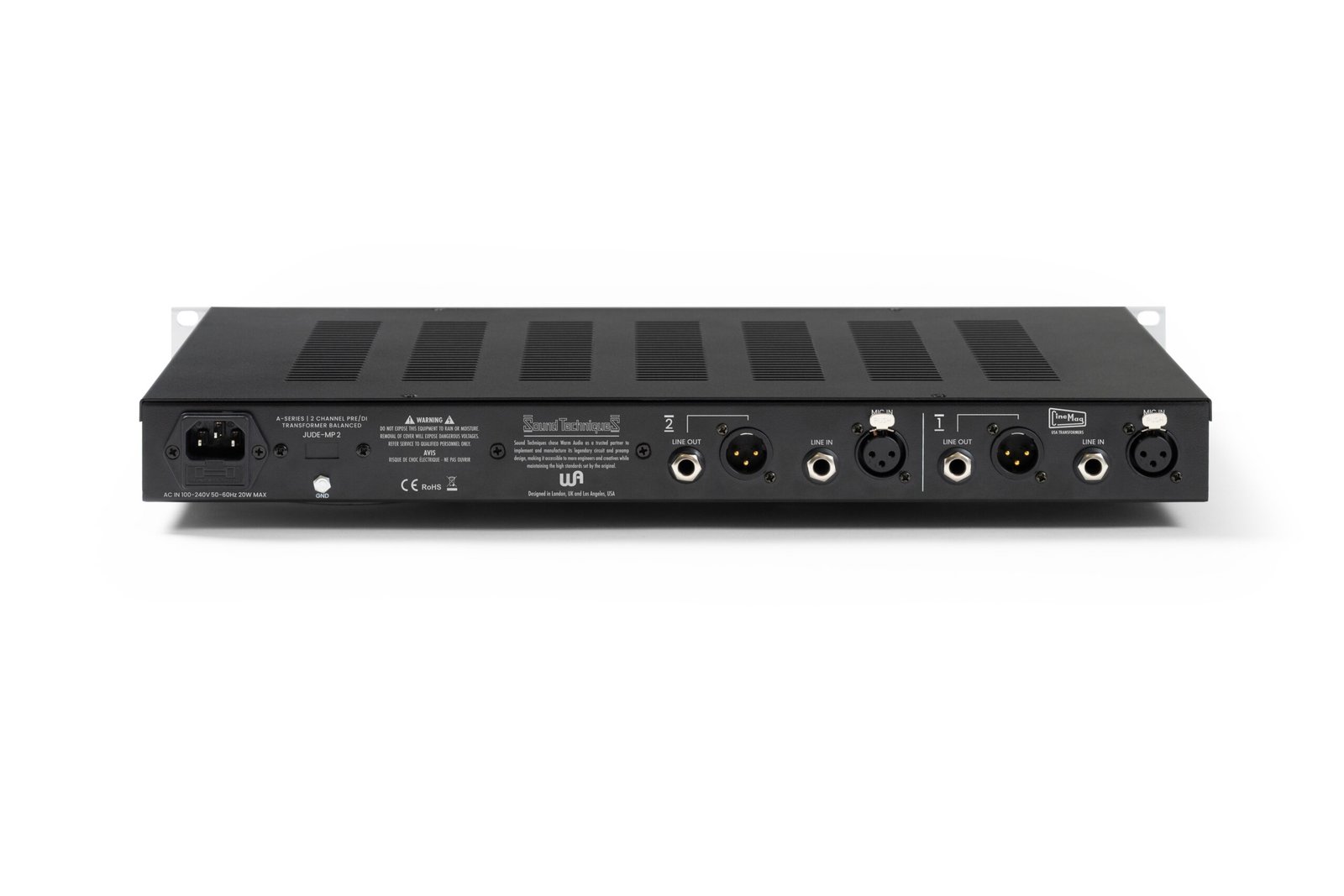

The vintage Sound Techniques console preamps can be heard on legendary recordings by artists such as The Beatles, Elton John, Queen, Pink Floyd, The Yardbirds, and many more.


48V
Activates phantom power for the mic input. It is a latching switch. Up is phantom off, down is phantom on with the LED lit
C/O
Changes over from Mic input to Line input and vice-versa. It is a latching switch; up is Mic with the red LED lit, down is Line with the green LED lit. Mic & Line inputs are on XLR connectors on the rear panel. The line input is also available on the DB25 connector.
DI
Selects the Direct Input (instrument input) on the front-panel jack socket. DI works in conjunction with the Mic input circuitry and facilities, however, it automatically sets parameters that provide the best electrical matching to the instrument signal characteristics. DI disables operation of the Z-Match switch, setting the circuitry to 200-Ohms at 0dB. Independently of the C/O switch, DI forces the Mic input to be active so as to allow the front panel jack socket to feed the mic input transformer and amplifier. A unique feature of the DI input is that it is balanced; generally instrument inputs are unbalanced.
Polarity
Swaps the signal polarity of the selected input.
SIG LED
This LED responds to the presence of a signal at the unit’s input. It illuminates when a level of -20dBu is present at the insert send.
Z-Match
Works as-per the ZR7064 channel, but with the noted exceptions for the DI input as detailed above.
Mic / Line Gain
Works as-per the ZR7064 channel.
PREQ
Switches the Pre-EQ insert return into the signal path. The insert send is always active. It is a transformer driven output.
EQ
The equalizer is as per the ZR7064 with LF bell response.
There are 5 control bands within the EQ:
LF: +/-15dB at 6 frequencies (30Hz to 270Hz). Gain is in 3dB steps. Five of the frequencies are bell response, with 80Hz being a specific shelving response frequency.
Low mid: 7 frequencies (200Hz to 1.6kHz) with +/-12dB at low Q and +/-18dB at high Q. Gain is continuously variable.
High mid: 7 frequencies (900Hz to 8kHz) with +/-12dB at low Q and +/-18dB at high Q. Gain is continuously variable.
HF Boost: 0dB to +18dB boost in 2dB steps. There are 9 frequencies available. Seven frequencies are peaking with Narrow, Mid and Wide bandwidth selection via a toggle switch (2kHz through to 12kHz). Two frequencies are shelving (7.5kHz and 15kHz).
HF Cut: 0dB to -14dB cut in (generally) 1.5dB steps. There are 8 frequencies available (2kHz to 15kHz) with a shelving response.
LF Filter: A 3-frequency LF filter is provided, the frequency selection being via two press-button switches. The slope is 18dB per octave. Frequencies are 40Hz, 80Hz and 120Hz.
The equalizer is switched into circuit by the lever switch. An associated LED lights when the EQ is active.
Master Level
A rotary pot with unity gain in the mid position. It has 10dB gain in hand.
Peak LED
The Peak LED drive circuit monitors three points within the unit:
Input stage (Mic / Line / DI),
Output of the equalizer,
Final output of the unit.
The LED illuminates when a level of +21dBu is detected at any of the monitor points.
Meter
The meter monitors the final output of the unit.
Power
Switches DC power to the unit.
REAR

External connections:
The functions of the 5 XLR connectors are as noted.
We have chosen to put the insert send and return on XLR connectors for reliability. It must be noted that operating the Insert PREQ switch without having an in-circuit external device or a loop cable across the send and return will result in signal loss.
The DB25 connectors allow for a pair of Mic Pre & EQ units to have their line level signals interfaced.
When interfacing using the DB25 connectors:
CONN1 is always used to provide connectivity to a patchbay or other form of external equipment.
For a single Mic Pre & EQ unit, CONN 1 signals are Line In, Insert Send, Insert Return and Unit Output. These signals are on DB25 circuits 1, 3, 5 and 7 respectively.
Ignore Conn 2.
Two Mic Pre & EQ units can be cascaded. Let us call them Unit 1 and Unit 2. Cascading allows us to make full use of the CONN 1 signals on Unit 1.
“Unit 2 Conn 1” links to “Unit 1 Conn 2” with a DB25 cable.
Internally, Conn 2 links to Conn 1.
In a linked system, for Unit 1, its Conn 1 becomes the connector that interfaces both units to an external patchbay. The result is that:
The signals of Unit 1 (line, send, return, out) are on Unit 1 Conn1 circuits 1, 3, 5, 7 respectively.
The signals from Unit 2 via the link cable (line, send, return, out) are on Unit 1 Conn1 circuits 2, 4, 6, 8 respectively.
External power
This is provided by a proprietary Sound Techniques universal adapter that can power up to 6 Mic Pre & EQ units by means of the power linking facility. Power supply is included with purchase